
Advanced Dermal Filler & Botulinum Toxin Masterclass
» Applied anatomy • danger zones • treatment planning • technique principles • complication management
COURSE ORIENTATION
Welcome and course purpose
At AESKN Harley Street Aesthetic Academy, This masterclass develops advanced clinical reasoning by connecting patient assessment, functional anatomy, product behaviour, technique selection and early recognition of complications.
Learning outcomes
- Apply layered facial anatomy to treatment planning and risk reduction.
- Identify major vascular pathways, high-risk regions and the limits of the term ‘safe zone’.
- Differentiate filler placement strategies and explain why plane, product, instrument and tissue behaviour must align.
- Assess dynamic muscle balance before planning botulinum toxin treatment.
- Recognise contraindications, cautions and circumstances requiring treatment deferral.
- Recognise common, urgent and rare complications and initiate the clinic’s escalation pathway.
- Document consultation, consent, treatment, aftercare and follow-up to a defensible professional standard.
CERTIFICATE


— PROFESSIONAL PRACTICE
Legal, ethical and prescribing responsibilities
Botulinum toxin type A is a prescription-only medicine in the UK. Treatment must follow a valid patient-specific prescription by an appropriately qualified prescriber, together with the current Summary of Product Characteristics (SmPC), professional standards and local medicines-management policy. Product units are not interchangeable between brands.
- Confirm identity, age, capacity, indication, relevant history, medicines, allergies and previous treatment response.
- Explain material risks, realistic benefits, alternatives, likely duration, review arrangements and costs before consent.
- Document licensed and off-label use clearly. Off-label practice requires enhanced justification, consent and competence.
- Use traceable products from legitimate suppliers and record brand, batch/lot, expiry, quantity and treatment sites.
- Maintain accessible complication support, emergency equipment, referral routes and appropriate indemnity.
PRESCRIBING BOUNDARY
— ASSESSMENT
Consultation and whole-face planning
- Explore the patient’s concern in their own words, motivation, timing and previous experiences.
- Screen for body-image distress, coercion, unrealistic expectations and repeated treatment-seeking without satisfaction.
- Review medical history, pregnancy/breastfeeding status, allergies, autoimmune/inflammatory disease, neuromuscular disorders, infection, dental work, medicines and supplements.
- Assess at rest and in animation under consistent lighting; record baseline asymmetry, ptosis, brow position, smile dynamics, dental show and skin quality.
- Agree a staged plan with conservative endpoints and a clear review window.
— TECHNIQUE
Safety principles before, during and after filler placement
Before injection
- Confirm indication, consent, photography, product, expiry, batch and emergency readiness.
- Mark with the patient upright and animate/palpate relevant structures.
- Establish an aseptic field and prepare skin according to clinic infection-control policy.
- Choose plane, instrument, entry point and endpoint deliberately; define a stop condition.
During injection
- Use controlled hand position, low pressure, slow delivery and the smallest effective aliquot.
- Never inject against unexpected resistance or when the patient reports disproportionate pain.
- Observe colour, capillary refill, pain and tissue behaviour continuously—not only after completion.
- Do not rely on aspiration as proof that placement is extravascular.
- Stop immediately if blanching, livedoid change, escalating pain, visual symptoms or neurological symptoms occur.
After injection
- Reassess symmetry and function before adding product.
- Document sites, plane, instrument, product and total volume.
- Provide written aftercare and a 24-hour emergency contact route.
- Arrange clinically appropriate review; avoid premature correction of normal early swelling.

— EXPERIENCED
Your Expert Trainer
Emel is an expert in non-surgical aesthetic procedures, combining advanced knowledge with a strong passion for aesthetic education and professional development.
As part of AESKN Harley Street Aesthetic Academy, Emel provides expert guidance and practical training across a range of aesthetic courses, supporting delegates from beginner level through to advanced and masterclass training.
With a focus on precision, safety, technique, and the art of aesthetic medicine, Emel helps delegates build the confidence and practical skills needed to enhance their professional practice.
— FAQS
Our Most Asked Questions
You will learn facial anatomy, consultation, treatment planning, anti-wrinkle techniques, dermal filler techniques, product selection, aftercare, and safe practice.
Yes. The course covers contraindications, safe injection practice, recognising potential complications, and appropriate management procedures.
This depends on your qualifications, insurance, professional scope of practice, and applicable UK requirements. You should confirm these before treating clients.
Request Consultation
AESKN operates from one of London’s most prestigious medical districts, offering a discreet and professional environment for your treatments.
Address:
Phone:
Book a Private Consultation
Begin your journey with AESKN
Whether you’re new to aesthetics or looking for a more refined approach, we’re here to guide you.
Real Results
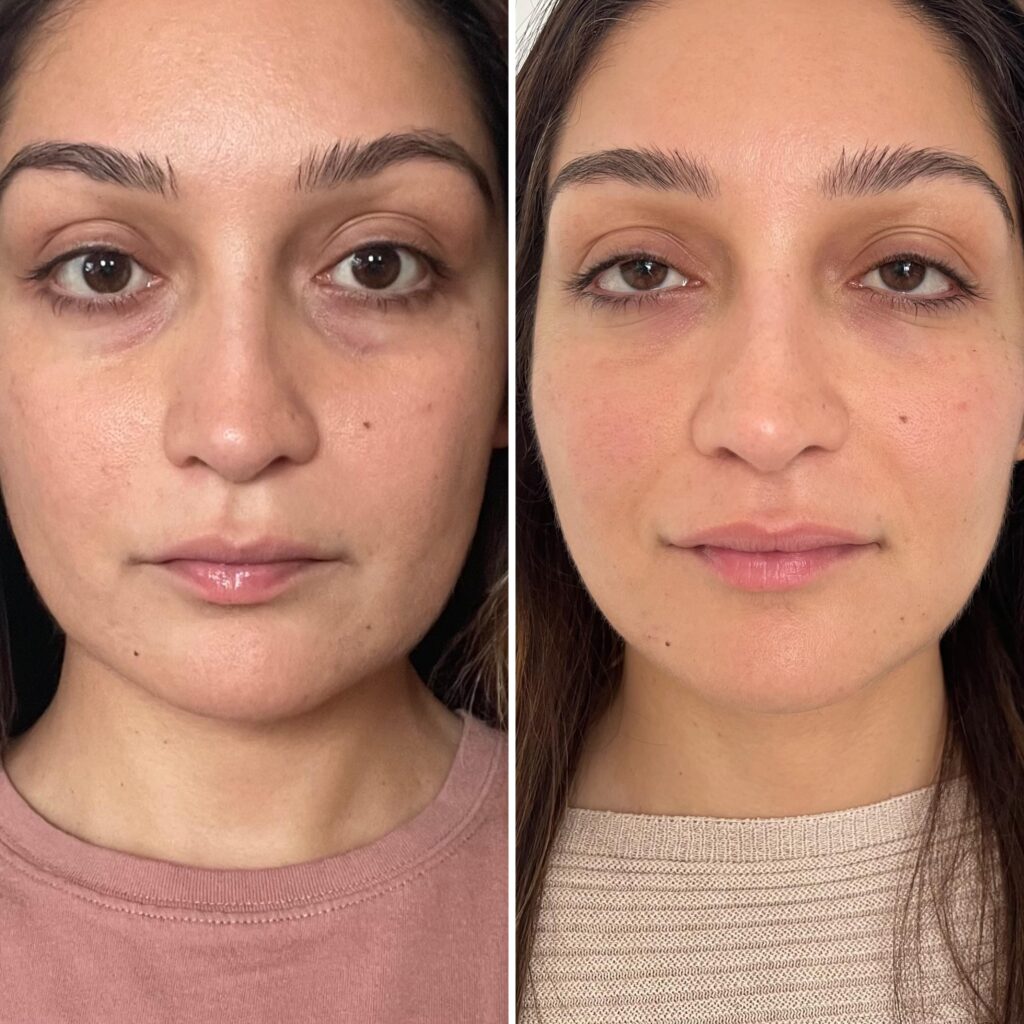
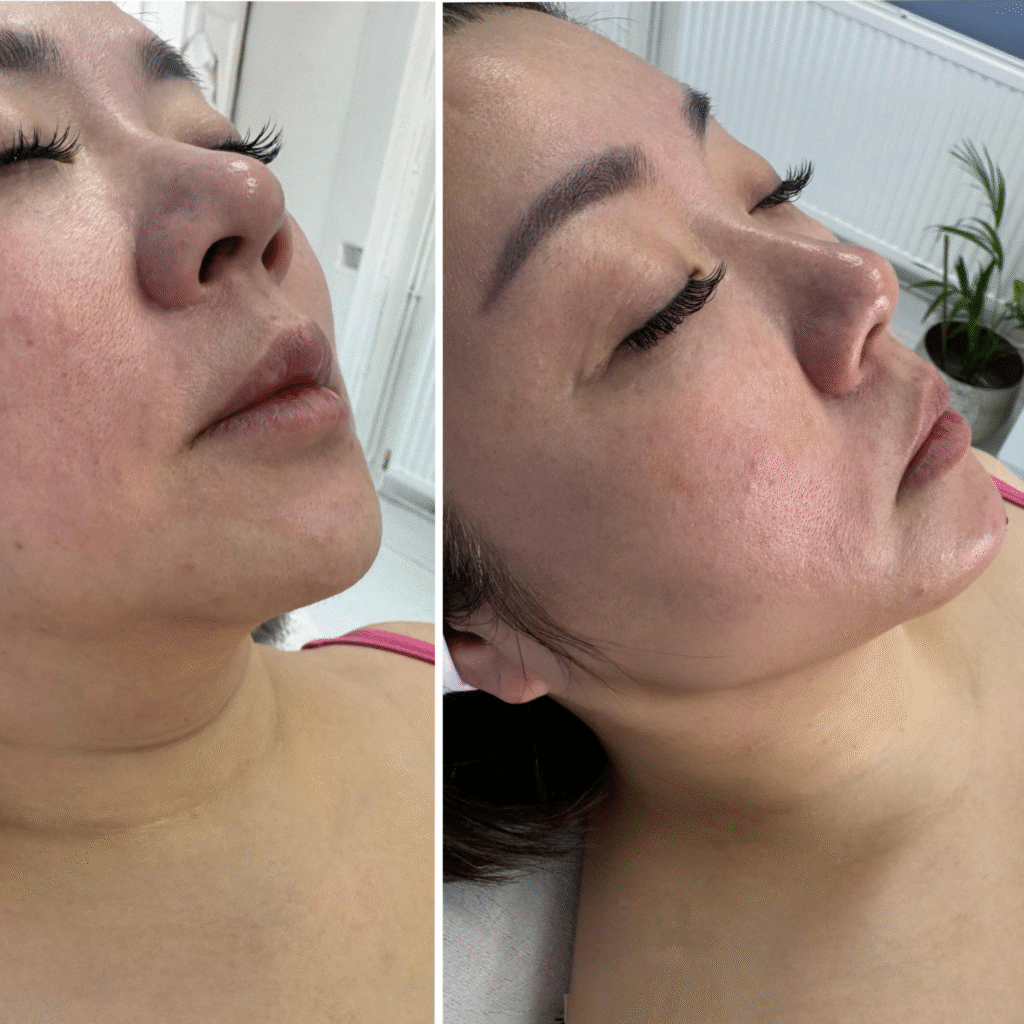
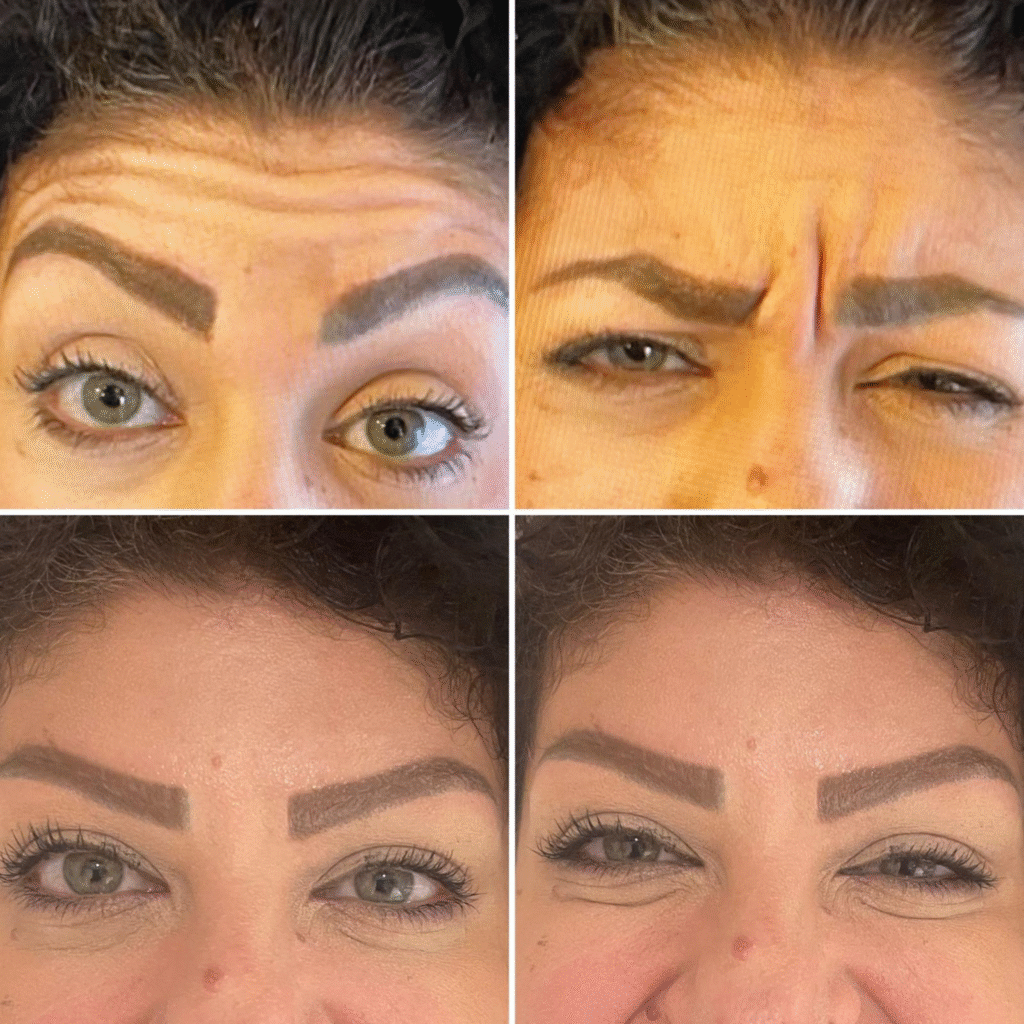

Refine Rejuvenate Restore Confidence
Your face tells your story and at SKNCode London Clinic, our goal is to help you feel confident in every chapter.
Our team of GMC-registered doctors specialises in non-surgical facial rejuvenation treatments that enhance your natural beauty without altering your unique features.